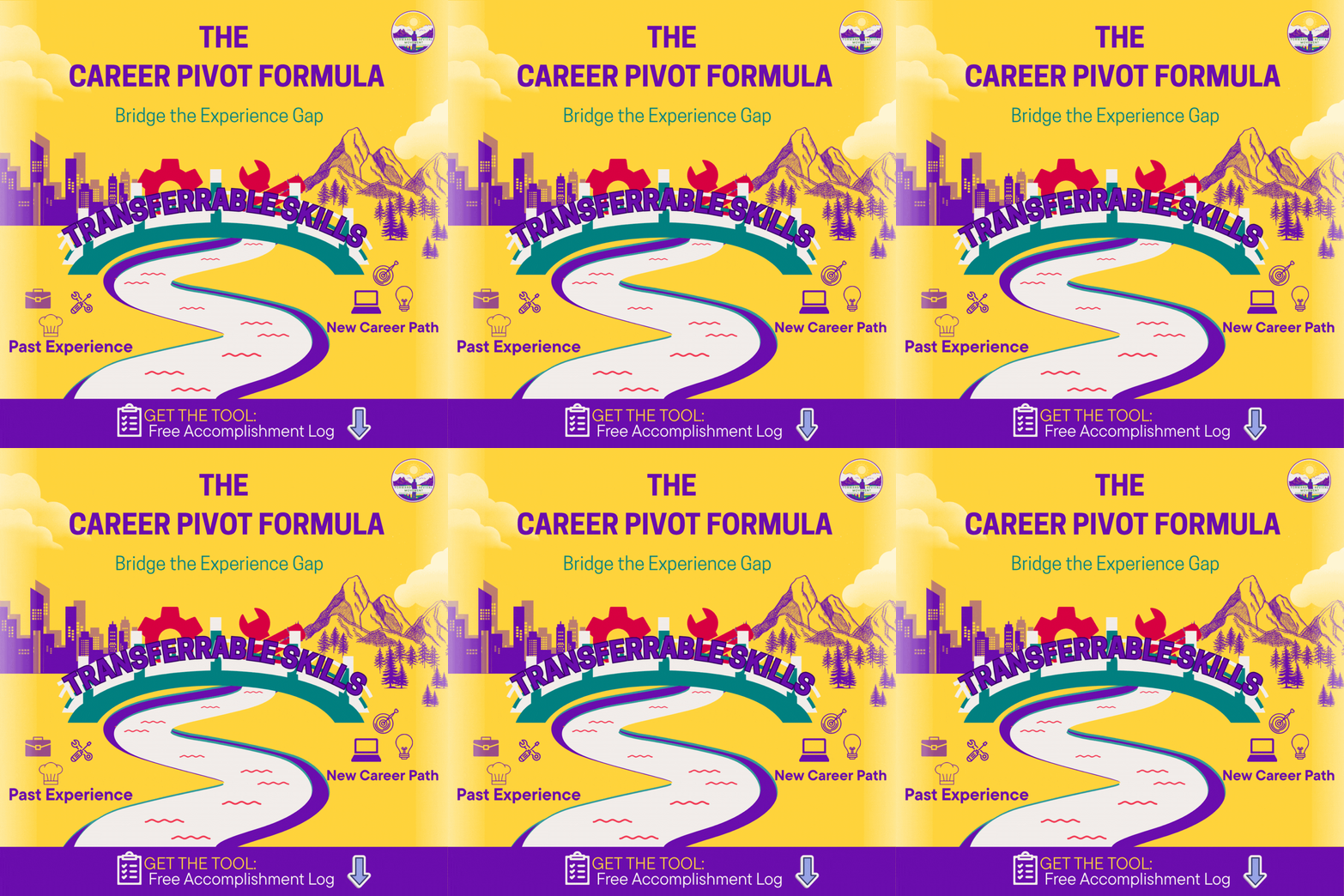
The Career Pivot Formula: Bridge the Experience Gap using Transferable Skills
The Ultimate Résumé Refresh: Tips & Tools for National Résumé Update Month
Career transition is a universal experience and are not one-size-fits-all. Whether you’re moving from Military to Industry, a mid-career professional to an executive role, or shifting from a service-based field into Tech, every job seeker engaged in transition is focused on exploration and discovery.
At FRM Collective, we begin by recognizing the emotional context of your specific career transition, allowing us to tailor our strategy and ease anxiety. Opportunities exist even when the market is challenging, but successful pivoting requires strategy, intentional decision making, and staying grounded when the journey feels uncertain.
Here’s a reality check: When pivoting, the biggest initial hurdle is the experience gap. Recruiters in your new field may not immediately recognize your previous titles, which can sometimes lead to lower initial offers or association with entry-level roles. To achieve your long-term goal, you may need to embrace short-term humility as you build credibility in a new space.
Your strategic response should be to translate your value. Your résumé isn't just a list of past jobs—it's a living document and a strategic tool for proactive career management.
We've condensed key advice into the Career Pivot Formula: 5 essential steps to translate your value, optimize your job search, and bridge the experience gap.
The Career Pivot Formula: 5 Essential Tips to Translate Your Value
1. Map Your Destination: Research the New Terrain and Your Alignment
Before you write a single word on your résumé, you must first know the language and expectations of your target role. This phase is about exploration and self-discovery, ensuring your personal value aligns with the market opportunity.
Identify Your Assets: Reflect on the skills you have mastered throughout your career(s). These are your assets, which can be valuable across many roles and industries. As you recognize your skills and values, highlight how they align with your desired next steps.
Define the Market: You must know the language and expectations of your target role. Gain essential insights about the desired role. Research the expected responsibilities, salary range, skills, and certifications required for success in that position.
Tool Tip: Use O*NET OnLine (https://www.onetonline.org/) to research job expectations and outlook. This provides the industry-specific vocabulary you need.
2. Find Your Guide: Identify Your Roadmap and Gaps
A successful pivot isn't a leap—it's a mapped journey. Identifying someone who has already made the move provides an invaluable roadmap for building necessary skills and credibility.
Strategic Action: We encourage you to spend at least 50% of your job search time networking, whether through coffee chats, conferences, or LinkedIn. This is the fastest way to get accurate, current information on the language and expectations of your new field.
Find Your Mentor: Find an individual on LinkedIn who holds your desired role or works in your target company. Use their profile as a reference for the path they took.
Networking Tip: Reach out to someone in your network who works in the new industry. Ask them to help you identify the specific skills, training, or credential gaps needed to get closer to your goal.
3. Speak the New Language: Keyword Optimization
Your past duties need to speak the language of your new industry. This is critical for getting past automated screening software and standing out to human reviewers.
Action: Master the keywords used in your targeted job descriptions. Use them to optimize your résumé and your LinkedIn profile Headline and About section.
Example: If pivoting to Project Management, ensure your profile uses terms like stakeholder communication, agile methodology, or process optimization, even if your previous title was "Office Manager."
4. Translate Your Value: Use Action Verbs to Show Accomplishment
Your résumé is a tool to showcase your value, not just list your responsibilities. This marks the difference between a static list of duties and a dynamic story of achievement.
Action: Stop listing duties and start translating accomplishments. Use powerful action verbs to show what you did and the positive outcomes of your efforts.
Before: "Responsible for managing the team schedule."
After: "Streamlined the team scheduling process, reducing labor hours required by 10% per week."
5. Systematize Your Wins: Quantify Everything You Measure
You cannot sell what you don't measure. A key habit of proactive career management is continuous tracking.
Action: Make it a habit to quantify your results—use metrics like sales, efficiency improvements, budget savings, or customer retention percentages.
Get the Tool: Don't wait until you're job searching to recall your achievements. Download our free Career Accomplishment Log template today to track your wins as they happen!
Download our free Career Accomplishments Log Template
Bridging the Gap with Action: Additional Resources
Demonstrate your commitment to the new field by actively engaging with industry resources and continuous learning. These tools are designed to support initial exploration and discovery when targeting a new path.
Career Discovery Tools
When trying to determine a new career path, it is important to understand your strengths as well as the current job market.
My Skills My Future: This website is dedicated to workers looking to shift careers. It offers resources that match a person’s current career with new careers that utilize similar skills. Wages and training options are also provided.
Skills Matcher: This interactive tool allows you to rate your levels on 40 key workplace skills. The Skills Matcher will then show you careers that align with your ratings.
General Career Resources
For Career Changers: CareerOneStop offers valuable tools and resources specifically designed for individuals navigating career shifts.
O*NET Online: Provides comprehensive data on occupations, skills, and industry-specific vocabulary, which helps job seekers research target roles and translate their value for career pivots.
Conclusion: Focus on Exploration and Strategy
The core message of the Career Pivot Formula is this: Focus on exploration and discovery to target a career goal that aligns with your long-term interests and needs.
Use the Roadmap (Tip 2) to identify where your experience gaps are. While the Dream Role might not be attainable immediately, the Roadmap shows you which training programs or certifications are required. In the meantime, you can set manageable short-term goals to attain jobs that build the needed skills, offer relevant trainings, and align you with the industry you wish to grow in.
A successful pivot is a series of strategic steps, not one giant leap.
Feeling Overwhelmed? We Can Help.
If mapping out this transition, translating your career history, and developing a résumé that speaks the new language feels overwhelming, we stand with our clients at these career crossroads. Let us provide the personalized support you need to transform your career and thrive.
Our Career Coaching for Clarity and Planning and Professional Résumé/Cover Letter Services are available to provide the guided, one-on-one support you need to navigate this journey confidently.
Disclosure: Some of the services mentioned above may be offered by FRM Collective. We are committed to transparency and only recommend resources we believe will truly benefit your career journey.